
Hi, I am Thomas
Professor of Sport and Exercise Science
Heart Rate Variability | Hamstrings | S&C | Injury Prevention | Exercise and Training Prescription | Monitoring | Wearable Technology | Soccer | Basketball | Endurance Sports | Athletics

Profile
I am Thomas Gronwald, and I have been heading the Department of Performance, Neuroscience, Therapy and Health at MSH Medical School Hamburg since 2017. I am an exercise and training scientist and methodologist with a focus on external and internal load analysis. Specifically, I focus on load management and monitoring approaches for endurance and team sport athletes via biomarker analyses as well as effects of fatigue processes on the autonomic and central nervous system along with approaches of system dynamic organismic self-regulation (e.g., via heart rate variability analysis). I also work on analyses of injury patterns and multimodal exercise and training approaches for injury reduction in team sports and individual sports. I am a member of the National Strength and Conditioning Association (NSCA), certified as a "Certified Strength and Conditioning Specialist (CSCS)" and work with endurance and team sport athletes. I am also a member of the European College of Sport Science (ECSS), the world's leading institution for sport science.
Research
The aim of my research and practical work is to improve the understanding of training-related acute responses and chronic adaptations. With my research, I want to provide evidence for the optimization of training interventions, particularly in the area of endurance and strength training, in order to enhance specific performance, injury prevention approaches, and health through innovative methods of testing, monitoring, and personalized exercise and training prescription. In most cases, I use valid wearable technology to facilitate practical implementation for various populations. The studies and methodological approaches are implemented in the “G-Lab - Exercise Physiology and Injury Prevention” or within field analyses in sports practice. ‘G’ represents “gravity”, a stressor and external load factor to which many influencing factors that we deal with can be related in the field of exercise physiology and injury prevention.

The following databases provide a comprehensive overview of our working groups' publications – teamwork! In addition, all open access publications are available in full text on Research Gate.
Key collaborators and research partnerships:
Alexander Törpel, Dr. (Head of Diagnostics, Deutscher Schwimm-Verband)
Bruce Rogers, Dr. (University of Central Florida)
Sebastian Ludyga, Prof. Dr. (Professorship "Sport- & Gesundheitspädagogik", University Basel)
Paula Theobald (University Potsdam)
Fabian Herold, Dr. (Health and Medical University Erfurt)
Olaf Hoos, Prof. Dr. (Professorship "Trainingswissenschaft & Sportbiologie", University Würzburg)
Pascal Edouard, Prof. Dr. (Professorship Physiology, Université Jean Monnet, Saint-Étienne)
Karsten Hollander, Prof. Dr. Dr. (Professorship "Sportmedizin", MSH Medical School Hamburg, Chief Medical Officer, Deutscher Leichtathletik-Verband)
Tim Hönig, Dr. (UKE Hamburg)
Tron Krosshaug, Prof. Dr. (Professorship Biomechanics, Oslo Sports Trauma Research Center, Norwegian School of Sport Sciences)
Christian Klein, Dr. (Head of Sports Science VBG)
Marcelle Schaffarczyk, Dr. (University Würzburg)
Peter Düking, Prof. Dr. (Professorship "Sportwissenschaft mit Schwerpunkt Bewegung und Training", University Braunschweig)
Billy Sperlich, Prof. Dr. (Professorship "Trainingswissenschaft", Universität Würzburg)
Hannes Kock (Head of Biathlon, IAT)
Henning Budde, Prof. Dr. Dr. (Professorship "Sportwissenschaft und Forschungsmethodik", MSH Medical School Hambrug)
Bas van Hooren, Prof. Dr. (Professorship Movement Sciences, Maastricht University)
Clint Bellenger, Dr. (Lecturer in Human Movement, Exercise and Sport Science, University of South Australia)
Kuno Hottenrott, Prof. Dr. (Professorship "Trainingswisenschaft", University Halle-Wittenberg)
Marco Altini, Dr. (Founder of HRV4Training, Vrije Universiteit Amsterdam)
Toon de Beukelaar, Prof. Dr. (Professorship in Movement & Performance Sciences, KU Leuven)
Key Publications
Here you will find an overview of some of our key projects and publications.
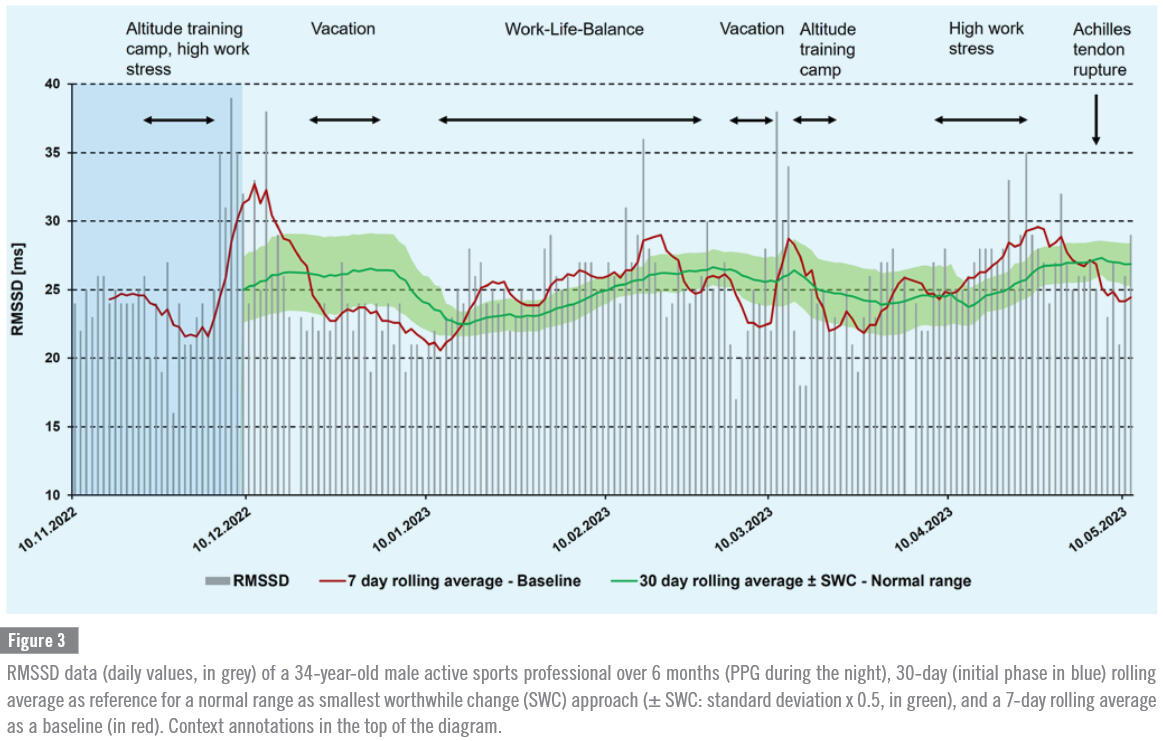
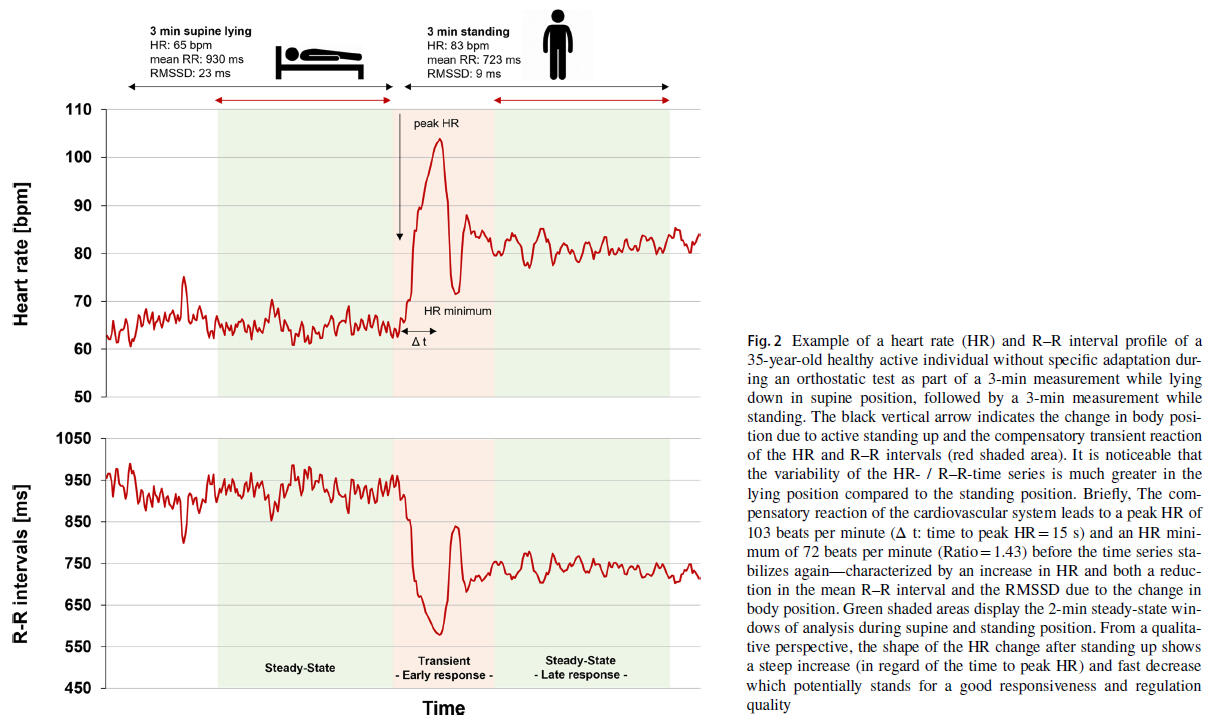
In these reviews, we summarized the status of heart rate variability monitoring applications using trend analyses. In that regard, we summarized the potential added value of postural change testing (orthostasis) in the fields of exercise and health science in 2024.


In a detailed overview article, we examined traumatic muscle injuries for the journal Nature Reviews Disease Primer in 2023. The included data is mainly based on sports settings, but there are also important findings from occupational science, the military (special forces), and the general population. The focus was on epidemiology and etiology, risk factors, injury mechanisms, diagnosis and screening, and management of muscle injuries. Unfortunately, the full text is not available free of charge, but can be requested via Research Gate.

In this study, we were able to analyze systematic injury patterns of the hamstring muscles in professional soccer for the first time in 2023. Unfortunately, the full text is not freely available, but we were able to provide an infographic and a summary in German language for the DFB Academy (see link below the infographic).


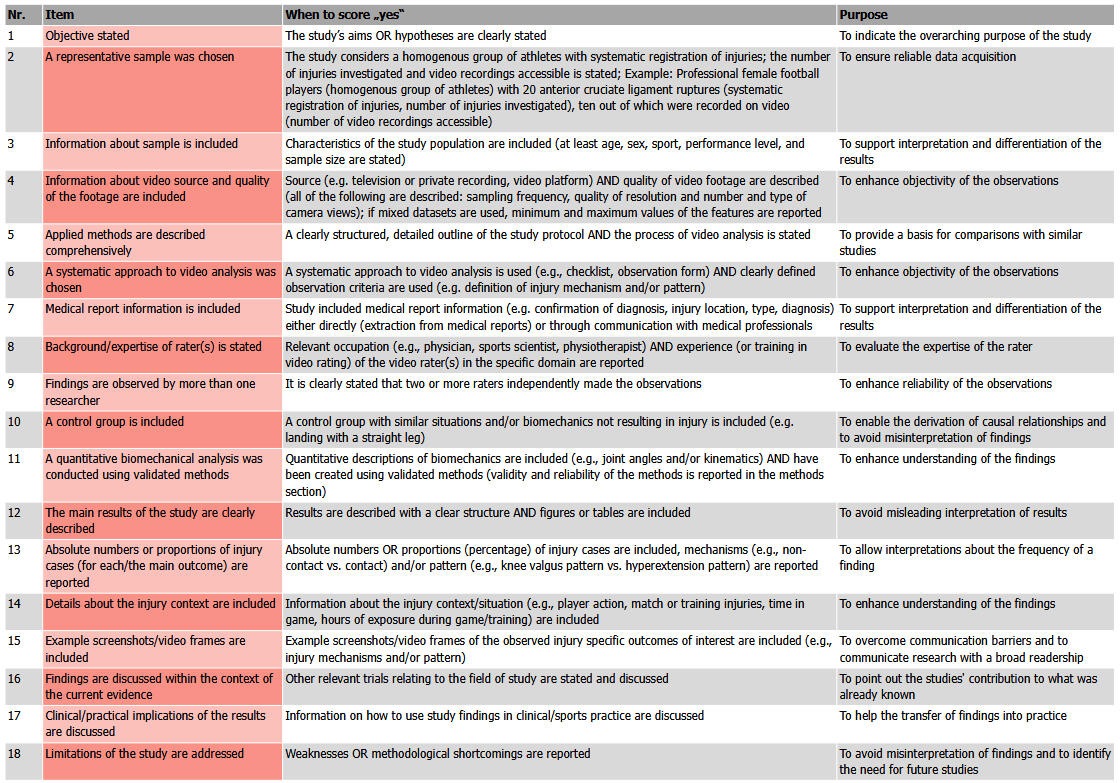
Referring to injury pattern analyses based on video data, we noticed that there are no standards for the methodological design of such studies or for evaluating the study quality for e.g., review articles. We therefore decided to develop the QA-SIVAS scale in 2024 with precisely this aim in mind. The rating scale is already in regular use for evaluating studies and for the methodological design of video analyses in the sporting context.

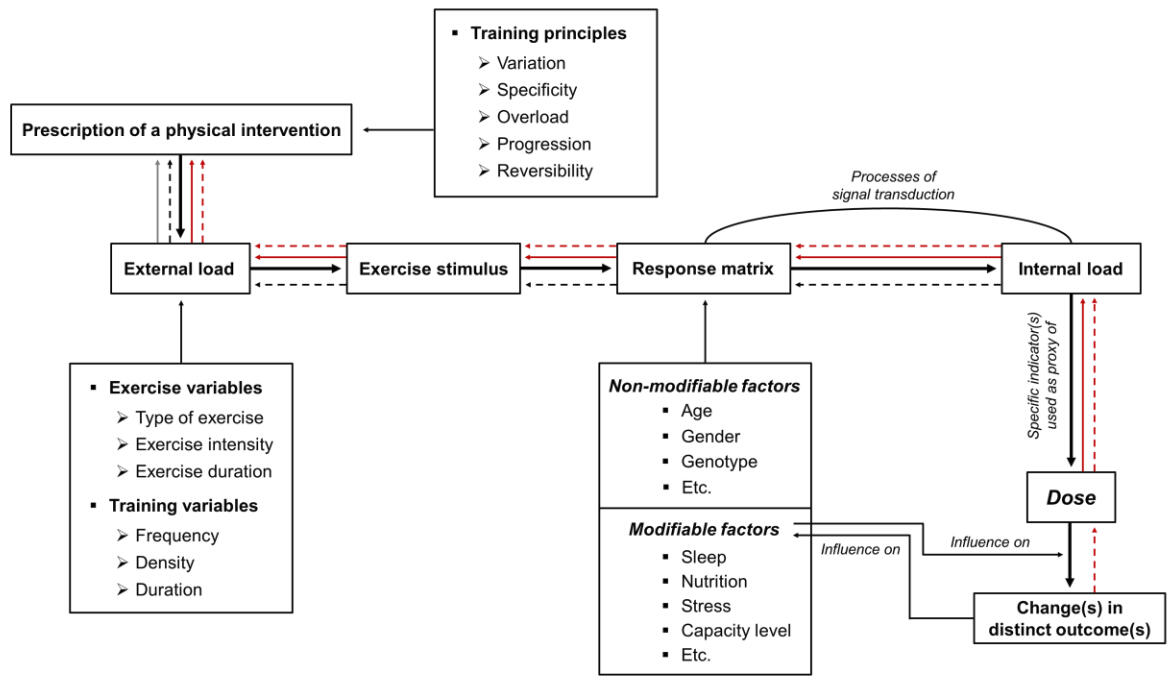
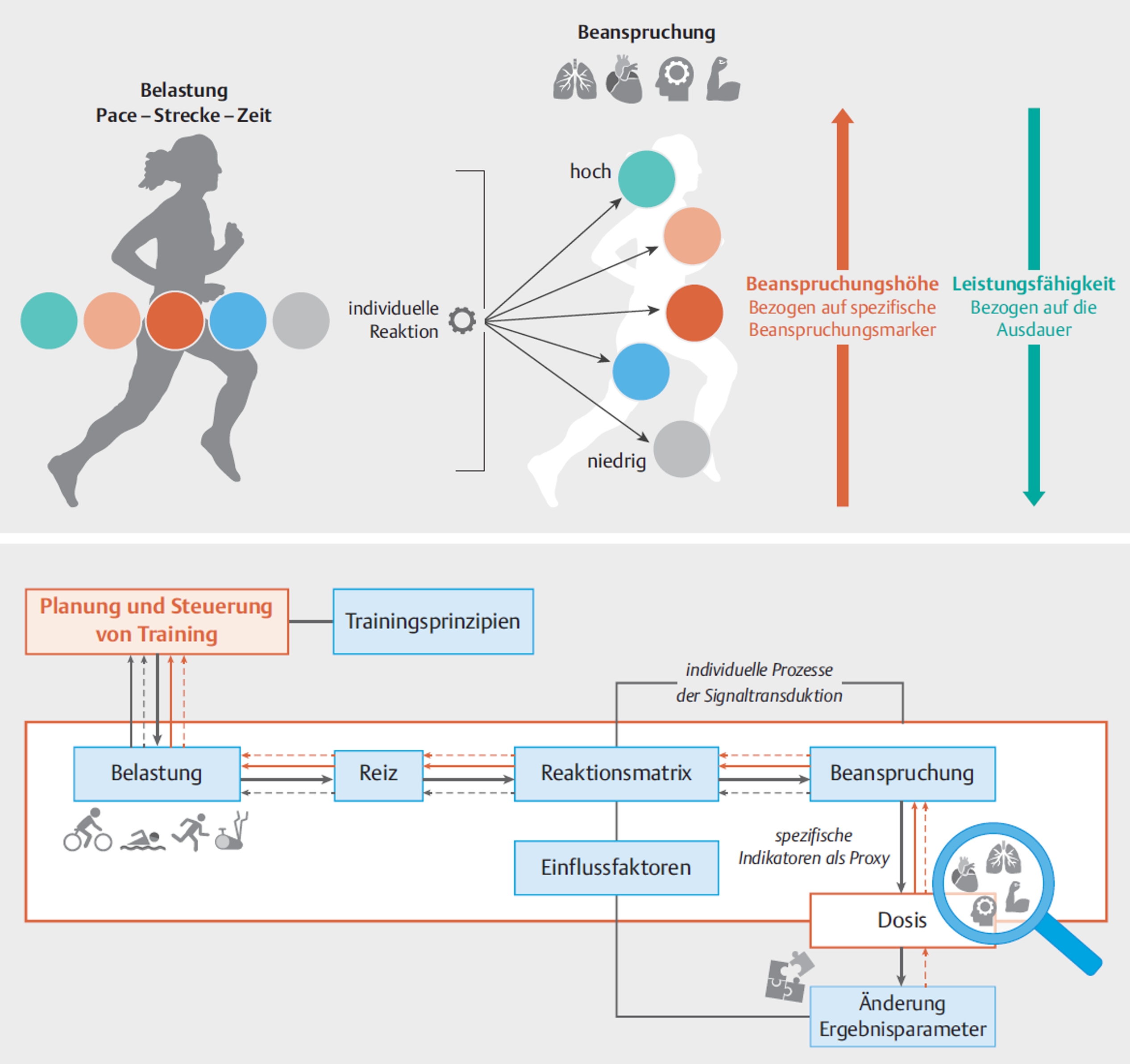
In these “Viewpoint” and “Perspective” articles, we address the concept of dose and response in the context of exercise and training prescription. To this aim, we developed a model for the constructs of external and internal load as well as influencing factors. We also highlight possible approaches for exercise and training prescription that may be useful for monitoring approaches in exercise and health science applications. The models serve as a basis and framework for my teaching and research activites.


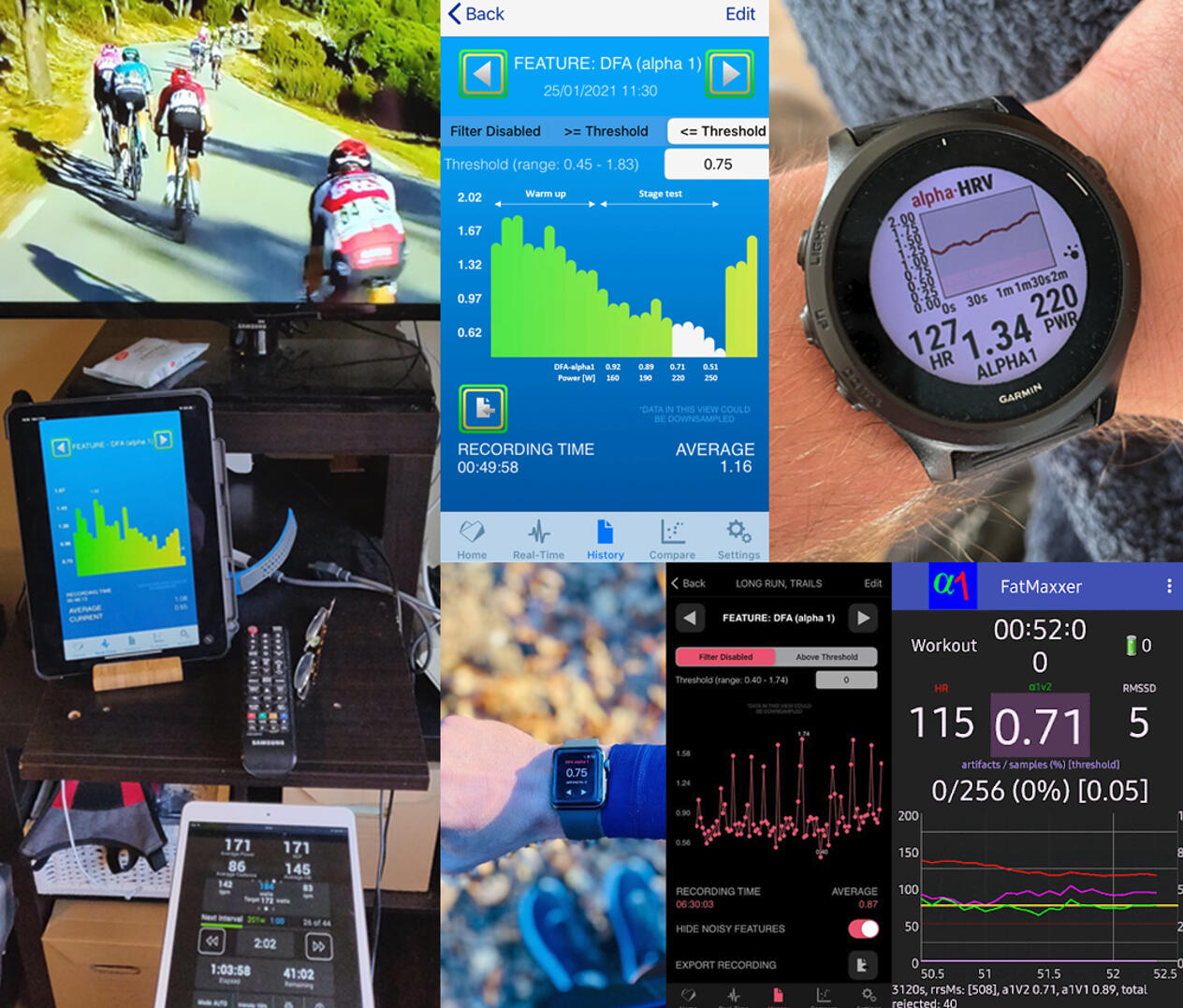
In these reviews, we have summarized our own and other studies on the analysis of non-linear heart rate variability during endurance exercise using the short-term scaling exponent alpha1 of detrended fluctuation analysis (DFAa1) and outlined application scenarios for exercise and training prescription, and monitoring with the usage of wearables.


News
Here you will find news about current publications and projects. You can find a detailed list by clicking on the link:
This second revised edition of the guide and framework „Hamstring Strengthening for Soccer Athletes: Exercise Prescription and Programming“—grounded in evidence-informed and context-sensitive decision-making—provides an updated overview of the current scientific and practical understanding of exercise-based, multi-component strategies to reduce hamstring injury risk in professional soccer. Particular emphasis is placed on exercise selection, prescription, and programming.The practical section adopts a holistic perspective, recognizing the synergistic interaction between different muscle groups. Accordingly, the guide also describes how exercises focusing on trunk stabilization, lumbo-pelvic control, and strengthening of the hip extensor muscles can contribute to lowering the risk of hamstring injuries.Considering the highly dynamic and complex nature of hamstring injury mechanisms, as well as the specific physical demands of soccer, the framework further outlines how movement tasks such as acceleration, maximal sprinting, and changes of direction—including deceleration—can serve as important general and sport-specific stimuli for mitigating hamstring injury risk.This is a pilot project in self-publishing with KDP. Not as easy as I thought. The guide has been revised and is now available online in its second edition. I earn approximately 4 Euros per copy sold, while the remaining amount goes to Amazon and printing costs. For the first 250 copies sold, I will donate the total of 1.000 Euros to a charitable organization supporting children and youth.

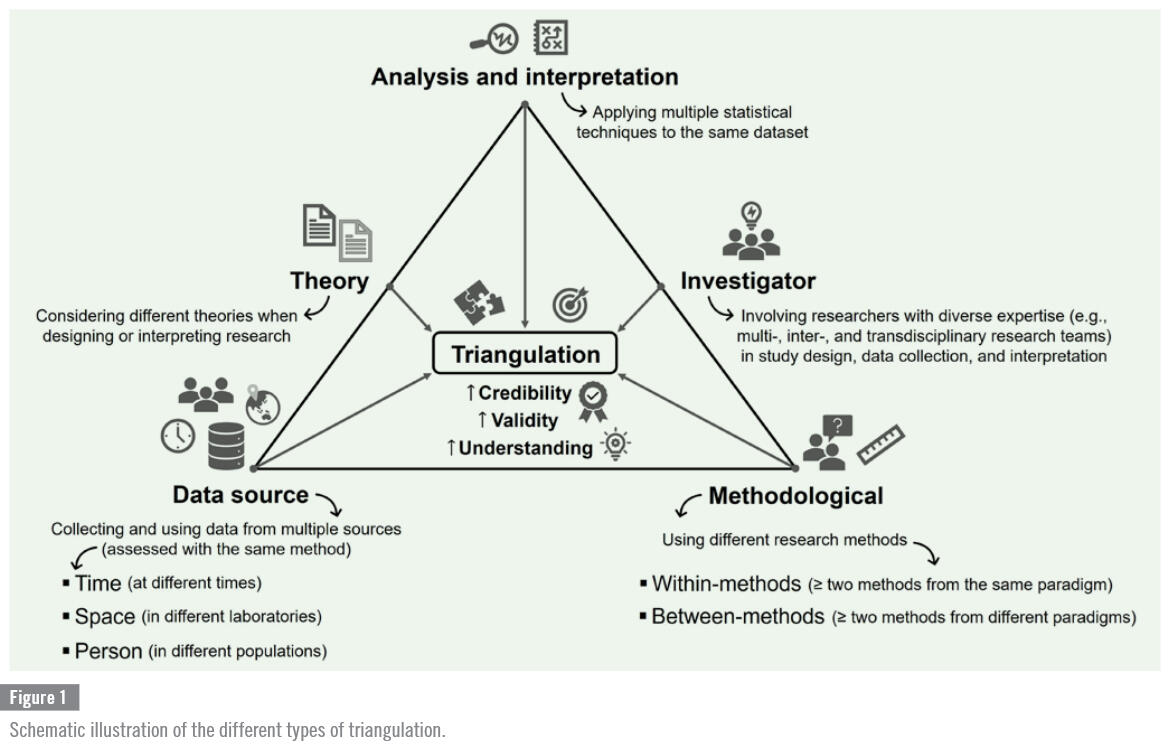
In our new editorial, we argue that relying on a single method or perspective is insufficient to fully understand complex phenomena in sports science and sports medicine. Instead, we advocate for triangulation—the combined use of multiple methods, data sources, or theoretical approaches—to strengthen the validity and robustness of research findings.By integrating different perspectives, we can reduce bias, improve interpretation, and gain a more comprehensive understanding of performance, health, and training processes.Overall, we call for a broader and more interdisciplinary approach, emphasizing that combining evidence is more powerful and reliable than relying on a single line of inquiry.

This study examined different methods for determining the boundary between the heavy and severe exercise intensity domains in recreational triathletes and cyclists. The main aim was to compare commonly used physiological markers with the calculated maximal lactate steady-state (cMLSS) as a reference standard.The findings indicate that traditional markers (such as lactate- or ventilatory-based thresholds) show considerable variability when identifying this boundary and do not always align well with the cMLSS. This suggests that commonly applied approaches may lead to inconsistent intensity classification in recreational athletes.Overall, the study highlights that accurately defining the transition from heavy to severe intensity remains challenging and method-dependent. The findings show the importance of careful method selection when prescribing and monitoring training intensity, particularly in non-elite endurance athletes.

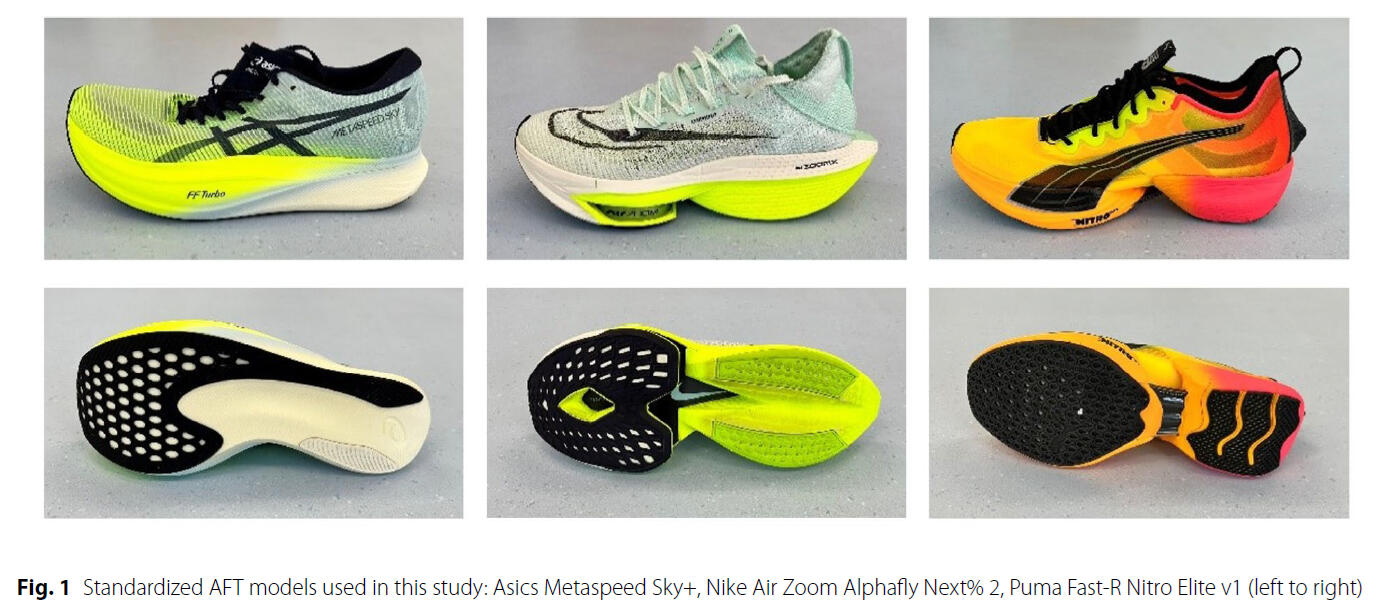
In our new study we investigated how biomechanical factors influence differences in running economy when athletes use various advanced footwear technologies (AFT). In a controlled crossover experiment, trained long-distance runners tested three high-performance shoe models while their energy expenditure and movement patterns were analyzed.The results showed that shorter ground contact time was consistently associated with improved running economy, meaning runners used less energy at the same speed. However, no single shoe model proved superior overall, highlighting that performance benefits depend on the interaction between an individual runner’s biomechanics and the specific footwear.Overall, the findings suggest that optimizing running performance requires personalized shoe selection rather than relying on one universally “best” model.

Indirect and non-contact muscle injuries, often referred to as muscle strains, occur in specific sporting scenarios (injury situations). Multiple dimensions of situational characteristics, including contact mechanisms, joint positions or neuromuscular force production, have been investigated to understand causation of muscle injuries. Despite the implementation of preventive measures, clinicians continue to face challenges in reducing the incidence of muscle injuries in sports.In our recent systematic review and meta-analysis published in the British Journal of Sports Medicine muscle injury patterns were characterised from 728 video-detected muscle injuries in sports. Qualitative and quantitative situational characteristics (e.g., injury contact mechanism, joint positions at injury time) of hamstring, adductor, quadriceps and calf muscle injuries are described in detail. While general principles of muscle injury causation are applicable (e.g., high muscle activation while being at length during the assumed time of injury), certain injury patterns are more specific to particular injury locations and sports. Knowledge of the situational characteristics underlying muscle strains assists clinicians in accurate diagnosis and treatment decision-making. Future preventive approaches for muscle strains should be guided by a distinct understanding of injury causation. The full text can be requested via Research Gate.

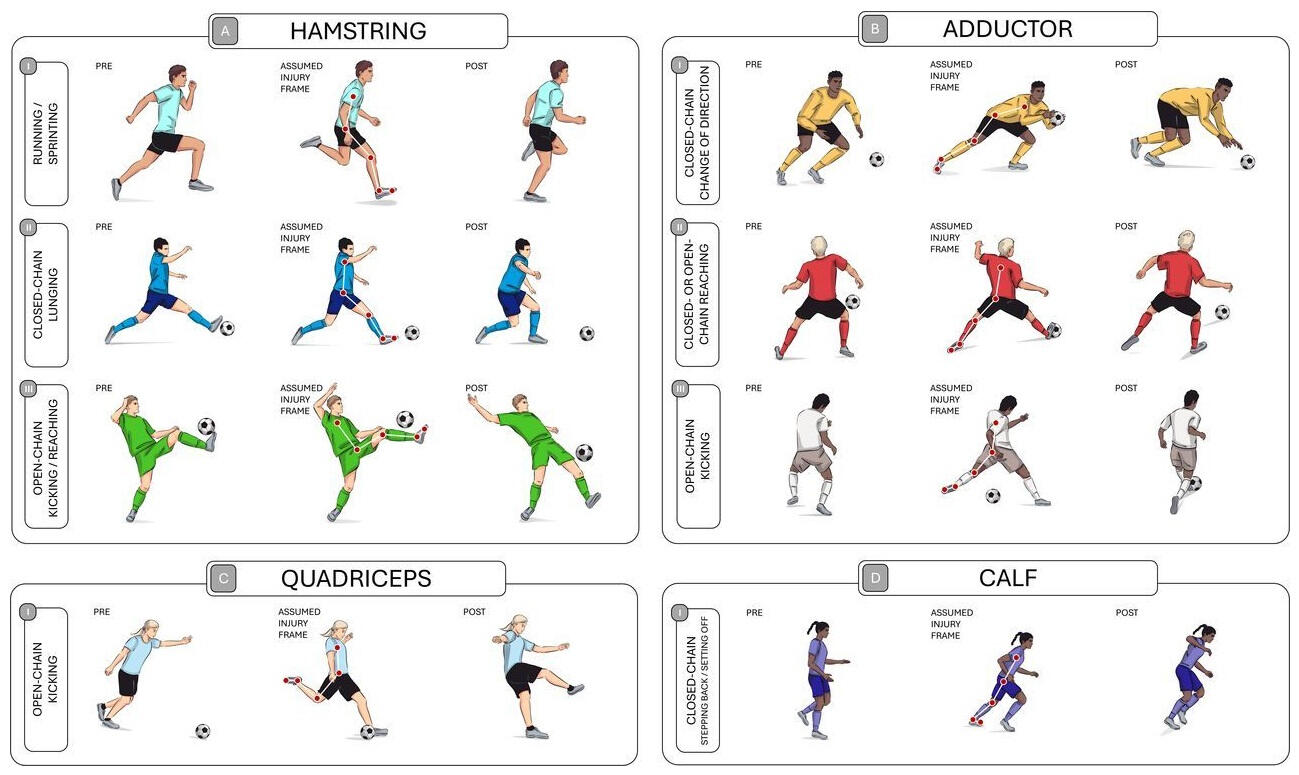
Illustrations of situational patterns for indirect and non-contact muscle injuries (muscle strains). Please note that only a selection of the most common injury patterns based on included studies is illustrated (acknowledge the predominance of studies investigating male football players).A-I. Hamstring (running/sprinting): Hamstring injuries are frequently seen during high-speed running or acceleration phases. Modelling studies and case reports identified the open-chain late swing phase as being most vulnerable to injury. During this phase of the gait cycle, the muscle-tendon unit of the biceps femoris lengthens. However, confirmation of this finding appraising systematic real-world video data is yet to be done, and the specific running phase in which athletes are most vulnerable to hamstring injury remains a matter of debate.A-II. Hamstring (closed kinetic chain lunging injury pattern): The athlete performs a decelerating closed kinetic chain maneuver. At the assumed time of injury, the knee joint is close to full extension, the hip joint is in a flexed position (that is, lunging position). In the illustrated example, the trunk position is neutral (in reference to the earth horizontal) but varying trunk positions have been reported to be present at the assumed time of injury.A-III. Hamstring (open-chain kicking or reaching injury pattern): Open-chain injury patterns are typically observed during kicking or reaching maneuvers. Injury kinematics comprise a flexed hip joint combined with an extending knee joint movement. These injuries have been traditionally considered as overstretching injuries with the muscle-tendon unit being lengthened past its limit.B-I. Adductor (closed-chain change of direction injury pattern): Changes of directions are common situational patterns for adductor muscle injuries. The athlete performs a change of direction to catch a ball opposite to the moving direction. At the assumed time of injury, the injured leg is abducted and externally rotated while the adductor muscles are simultaneously activated to perform the deceleration and change of direction manoeuvre.B-II. Adductor (closed- or open-chain reaching injury pattern): The athlete performs a reaching manoeuvre with the non-injured leg towards the ball. At the assumed time of injury, the adductor muscle-tendon unit of the injury leg is lengthening due to hip extension, hip abduction and hip external rotation.B-III. Adductor (open-chain kicking injury pattern): This injury pattern shows similar injury kinematics (including hip abduction and external rotation) but is an open-chain injury pattern due to the player’s intention of kicking a ball with the injury-sided leg.C-I. Quadriceps (open-chain kicking injury pattern): A common observed injury kinematic of quadriceps injuries comprise a flexing hip joint and extending knee joint movement (that is, kicking manoeuvre).D-I. Calf (closed-chain stepping back injury pattern): In the illustrated example, the athlete is setting of to take a run (e.g., by performing a back-step manoeuvre). These manoeuvres are not only seen in running or football but are common in racquet sports (leading gastrocnemius muscle injury to be named “tennis leg”) or basketball. The underlying joint movements are ankle dorsiflexion and knee extension, thereby lengthening the calf muscle tendon unit. At the assumed time of injury, the knee is close to full extension, the ankle in more than 10° dorsiflexion, and the foot in external rotation.
In our new perspective article we we interpreted the current evidence in the view that acute and chronic physical activity (PA) can improve cognitive performance, and that PA type may moderate this effect. However, a closer look at the literature shows that specific PA types (e.g., football) encompass events (e.g., sport-related concussion [SRC] and repetitive “subconcussive” head impacts [RSHIs]) that might attenuate such benefits. Given that SRC and RSHIs are highly prevalent but not explicitly considered in contemporary PA-type classification approaches, we propose that accounting for them in future scientific practice and theory development will add a fruitful and nuanced understanding of dose–response relationships between PA and cognition and serve as a key prerequisite to achieving a better individualization of PA prescription.

The monitoring of post exercise linear and nonlinear HRV metrics as a tool for fine-tuning monitoring processes and HRV-guided training remain relatively underexplored. However, it holds significant potential for endurance athletes who undertake high volumes, varied exercise intensities, and/or multiple training sessions per day. This approach can complement resting physiological analyses providing a more comprehensive understanding of recovery and autonomic nervous system regulation.Our new study adds to the state of research of exercise recovery and shows that exercise in the vigorous intensity domain transiently delays parasympathetic reactivation. A greater homeostatic perturbation induced by the higher exercise intensity results in delayed reorganization and decreased values of linear HRV metrics during passive recovery. The results also confirmed the assumption that DFAa1 displayed a stronger correlated reorganization and overcompensation after the more intense exercise bout. Higher correlation properties may indicate more order and interaction of the involved control processes managing recovery.This suggests a stronger systemic control to process the demands of higher exercise intensities within a homeodynamic understanding of the organismic regulation. Assessing standardized post exercise linear and nonlinear HRV metrics as a monitoring tool could be a valuable addition for endurance athletes, aiding in the evaluation of regular training sessions, and complementing resting analysis. Further research is needed to verify its potential in guiding the structuring of microcycle and daily programming tailored to individual cardiac reactivation kinetics.

In this study lead by Dr. Lars Schwalm and published in the prestigious journal MSSE we observed running economy (RE) benefits of advanced footwear technologies (AFTs). The state of research exposed RE improvements in AFTs during short running bouts, whereas performance-enhancing effects may be greater over longer distances. Therefore, the aim was to compare RE and biomechanics during a 90-min run between AFTs and traditional shoes in highly trained distance runners. There were no differences between shoe conditions in deterioration of RE during the 90-min run, but AFTs maintained their beneficial properties in RE over time and therefore are probably a good choice for long distances. The full text can be requested via Research Gate.

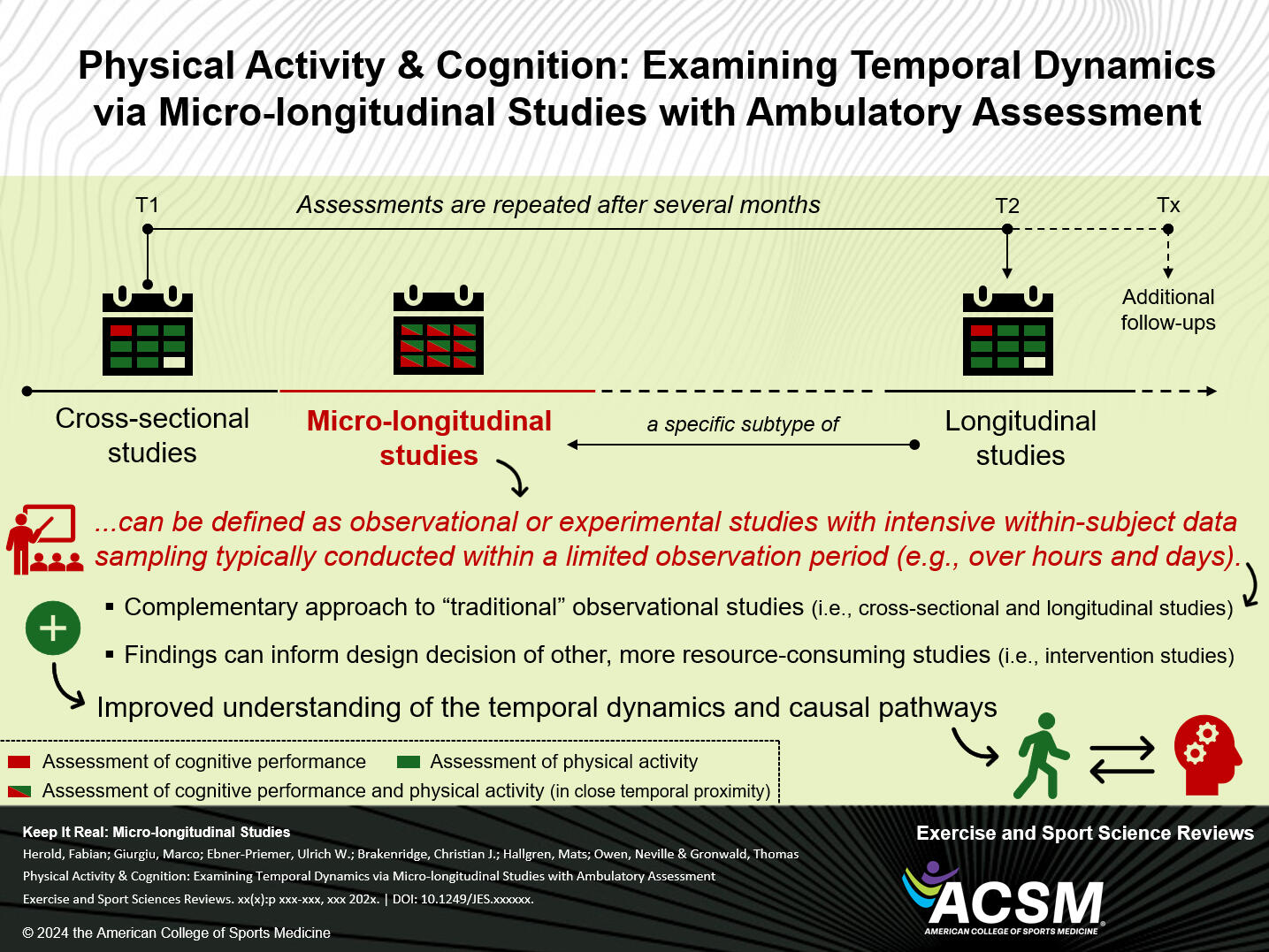
In our new „Perspectives for Progress“ article in „Exercise & Sports Science Reviews“ we highlight in particular the advantages of examining temporal dynamics with ambulatory data assessments via micro-longitudinal studies - using the example of the emerging field of physical activity and cognition.This study approach characterizes frequent within-subject real-life-embedded assessment methods of exposure(s) and outcome(s) in relatively short periods. In addition to the utility to address outstanding research questions, micro-longitudinal studies with ambulatory assessments are also well-situated to complement the evidence obtained from traditional study approaches by strengthening the capacity for causal inferences via a methodological and/or data triangulation, and better informing more resource-intensive, causality-confirming study approaches.In our specific research, we are particularly interested in contextual information necessary to interpret, e.g., psycho-physiological wearable monitoring data (with potential large day-to-day variation and multiple confounding factors), which can be implemented very well within this methodological study approach.Compared to highly controlled intervention studies (e.g., randomized controlled trials), observational studies (e.g., longitudinal studies) provide the key advantages that they are typically (1) less resource-consuming and expensive, (2) have less restrictive exclusion criteria, which strengthens the representability and generalizability with high ecological validity, and (3) less prone to expectancy bias as no intervention is offered. The full text can be requested via Research Gate.

In this complex study lead by Dr. Marcelle Schaffarczyk and published in the prestigious journal MSSE we monitor menstrual cycle (MC) and oral contraceptives (OC) phases. Data showed stable motor performance and limited physiological but notable psychological effects. Early follicular (EFP, MC) and early inactive pill (EIPP, OC) were associated with higher perceived exertion in the submaximal cycling test as well as higher perceived stress and lower state of recovery. Metrics of heart rate time series during exercise do not appear to be influenced by the phases of MC and OC which could be seen as valuable outcome for pre-defined internal load prescription in endurance-related activities. Integrating psychological well-being measures could enhance hormonal monitoring and inform training adjustments, such as modifying load, recovery strategies, or psychological interventions. Given the complex interplay of biological and procedural-analytical factors, as well as the individual variability in response to hormonal changes, a personalized monitoring approach is essential to tailor training and recovery strategies effectively, ultimately supporting both long-term performance and overall well-being. Mobile applications could further support this approach by facilitating continuous tracking and increasing awareness and sensitivity to this critical aspect of athletic training and overall health status. The full text can be requested via Research Gate.

Both in training and rehabilitation, the intensity of endurance exercise can be controlled and monitored via dose and response. This allows optimal results to be achieved on the one hand, and on the other hand, unnecessary overload and health risks can be avoided. In our overview article, we transfer the proposed concepts to practical application for intensity control and monitoring in endurance exercise and training. The full text is published in German language and can be requested via Research Gate.

Read our latest review paper on the topic of “density” as an extension of the F.I.T.T. principle for the prescription of physical activity, exercise and training.

In a retrospective analysis of training data during the last 20 years in professional biathlon, we were able to identify clear patterns for different age groups. A great data set, unfortunately without free full-text access here (please send inquiries via Research Gate).

Blogs
Read in-depth blog posts that place our research and its practical applications into context on selected topics here. More content is currently in the pipeline…
... the preparation of a Wiki and FAQ on the application of non-linear heart rate variability analysis in exercise and training prescription via detrended fluctuation analysis (DFA).
... an overview of monitoring approaches using heart rate variability under resting conditions and during standardized perturbation (e.g., postural change).
... an overview of our work on injury pattern analysis of the hamstring muscles and other muscle injuries in sports.
... an overview of our conceptual work on exercise and training prescription, external and internal load and the concept of dose.
Practical Transfer
Here you will find a selection of books and other publications for transfer into training practice mostly in german language.


Much has already been said about the application of heart rate variability for monitoring approaches, ... but it can't do any harm to repeat certain important things in a different context; here in an interview for Medscape together with Prof. Cailbhe Doherty.

HRV Explained: Key Insights for Athletes & Coaches - Interview with Ercan Ileri from www.ileriperformance.de

Hamstrings Decoded: Anatomy, Functions & Injuries - Interview with Ercan Ileri from www.ileriperformance.de

Hamstring muscle injury patterns in professional football (soccer): Potential for injury reduction by demand-specific multicomponent strength and conditioning programs - Lecture at the NSCA Global Conference in Munich 2023

Contact and Exchange
I’m happy to connect if you're interested in:
Professional exchange
Collaboration on projects
Lectures or workshops
Consulting
... and more!


You can reach me via the contact form about topics related to exercise and training science, injury prevention, heart rate variability, wearables, monitoring, endurance and strength training. Whether in research, teaching or practice, I am open to scientifically sound collaborations, research and practical projects, and innovative ideas—I’ll get back to you promptly.